
vanprice1@msn.com
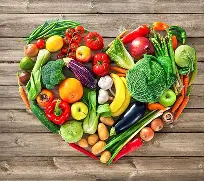
Nutrition guidance at Heavenlyoga draws from decades of immersion in the clean-food movement and a deep commitment to understanding how food truly shapes long-term health. This approach emerged from witnessing loved ones face preventable health challenges, sparking years of exploration into how intentional, evidence-informed choices around food can prevent overwhelm and foster genuine nourishment.
If you’ve spent years cycling through diets, wrestling with emotional eating, or feeling at war with food, you’re not alone. So many people long for a gentler, more loving way to nourish themselves, one that honors the body rather than punishes it. If you’re ready to step out of the toxic diet cycle, embrace weight neutrality, and rediscover joy in eating, you’re in the right place.
More than twenty-five years ago, I made a conscious decision to change the way I ate. My diet had been full of processed foods, and despite going to the gym several times a week, practicing yoga, and even trying the Atkins diet, my health was declining and I couldn’t shed an extra 20 pounds. Something had to shift.
We are born with an innate wisdom about how to eat. But as we grow, that inner knowing is often drowned out by external rules: Clean your plate. Don’t eat after 8 PM. Count every carb, calorie, or gram of fat. These rules rarely align with what our bodies actually need. Over time, we become disconnected from our hunger, our fullness, and our own internal signals. Research now clearly shows that diets don’t work long-term. What does work is rebuilding trust with ourselves, learning to listen inward again.
Eating is one of life’s greatest pleasures, yet in today’s culture it has become complicated, stressful, and confusing. When I published my book God Made Organics, NOT GMOs in 2014, I wanted to help people understand the toxicity in our food system and reclaim their relationship with real nourishment. Since then, I’ve guided countless individuals in reconnecting with food in a way that feels joyful, intuitive, and sustainable.
In my teachings, people explore:
Intentional eating doesn’t come easily in a world that moves fast. Between work, family, and endless responsibilities, many people barely have time to eat, let alone eat with presence. I understand these challenges firsthand. In 1996, I weighed nearly 180 pounds, felt tired and lethargic, caught every cold or flu that came around, and struggled with irregular digestion. My body was asking for help, and I finally listened.
The truth is simple: if we don’t make a conscious effort to nourish ourselves, we eventually pay the price. Chronic inflammation, food sensitivities, excess weight, fatigue, emotional imbalance, and disease often follow. We may even shorten our lives.
But when we eat with intention, when we choose foods that truly nourish us, we give our bodies a fighting chance in a toxic world. We reconnect with our vitality, our clarity, and our joy. We return to the wisdom we were born with.
Here is a smoother, more grounded, more compelling version of your message, keeping your voice, your lived experience, and your deep commitment to clean, conscious nourishment fully present while elevating clarity, flow, and emotional resonance.
I knew I wanted to heal, and I realized that meant participating in my own rescue. As I searched for answers, I came across Dr. John Gray’s book The Mars & Venus Diet & Exercise Solution. One passage stopped me in my tracks: through decades of conventional farming, our soil has been stripped of the minerals and trace minerals that once made our food truly nourishing. Seventy years ago, a single apple or carrot carried far more nutrition than it does today. Now, we simply can’t eat enough fruits and vegetables to meet our body’s needs, hence the billion‑dollar supplement industry.
As I continued researching, something became undeniably clear: food is medicine, but only when it’s real, organic, and unprocessed. I don’t know about you, but the idea of consuming hidden pesticides, chemicals, and toxins has never sat well with me. When humans work with nature rather than against it, the food that results is the highest form of nourishment we can offer our bodies.
Below are some of the practices that help me eat with more intention and awareness:
Before you eat, pause and consider: Is this food supporting my body, or working against it? Is it providing nutrients, or is it something you reach for out of habit, boredom, or stress? Many of us live on autopilot, when we drive, when we work, and especially when we eat. Awareness is the first step toward intentional eating.
Take a moment to acknowledge where your food came from and how many hands helped bring it to your plate. Gratitude shifts your relationship with nourishment. You don’t need to be religious or spiritual to appreciate the journey your food has taken to reach you.
Digestion begins the moment food touches your tongue. Chewing thoroughly not only enhances flavor but also supports your digestive system. Many digestive issues stem from eating too quickly or swallowing food that isn’t fully broken down. Eat until you’re comfortably satisfied, not stuffed or sluggish.
Most people rush through grocery shopping, but your health begins with what you put in your cart. Give yourself a little extra time to read labels and understand what you’re buying. Avoid GMOs, preservatives, processed foods, added sugars, hydrogenated ingredients, and inflammatory oils like soybean, cottonseed, and sunflower. Knowing what’s in your food is an act of self-respect.
Cooking is one of the most intentional ways to nourish yourself. You control every ingredient, and that alone is empowering. Try one new recipe a week, make it fun, and invite others to join you. When you cook, you infuse your food with care, and that makes eating it even more satisfying.
It sounds simple, but it’s transformative. I used to eat standing in the kitchen, rushing out the door. Now I give myself ten extra minutes in the morning to sit, breathe, and actually taste my food. Those small moments of presence add up.
The more you understand nutrition, the more naturally your choices shift. You may know fast food is harmful and leafy greens are beneficial, but why? What nutrients are in spinach? How does your body use them? Learning about your food deepens your connection to it. Even ten minutes of reading can change the way you nourish yourself.
Knowledge is power, and food truly is medicine.
Here is a more polished, more grounded, and more inviting version of your message, keeping your voice, your lived experience, and your warm, empowering tone fully intact while strengthening flow, clarity, and emotional resonance.
Changing my eating habits was not easy. My biggest fear in the beginning was breakfast. What on earth was I going to eat? I asked friends who had already transitioned to whole foods, but their answers didn’t excite me. I heard everything from protein shakes (which I drank for years) to eating last night’s dinner for breakfast. Before that, during my Atkins phase, I ate fried eggs and bacon every single morning. Looking back, I’m grateful my heart held up through all of that.
My shift into whole foods came with plenty of starts and stops. It wasn’t smooth or perfect. But as I continued researching and experimenting, I found what worked for me within the organic, whole‑food model. I didn’t quit, and I’m profoundly grateful I stayed the course. My health has transformed. I’m stronger, leaner, and more vibrant today than I was in my 30s and 40s.
If you’re curious about changing your diet, don’t wait for the “perfect” moment. Just begin. What’s the fear? Failing? Not having enough time? Not having the energy? Those fears are normal, but they’re not a reason to stay stuck.
What I’ve learned over the last twenty‑five years
Curious what I eat for breakfast now?
One of my favorites is a warm bowl of oatmeal topped with chopped dates, cranberries, goji berries, wild blueberries, and walnuts or pecans. Another go‑to is sautéed garden veggies with two soft‑boiled, scrambled, or fried eggs and half an avocado. It takes me about nine minutes to prepare and six minutes to enjoy. I could inhale it in three, but I’m practicing slowing down and savoring my meals.
For me, intentional eating looks like this: being in the kitchen, cooking with love, sitting at the table, and offering a gratitude prayer before every meal.
Bon appetite
Welcoming sessions designed for all ability levels, focusing on stretching and strengthening the body both physically and internally while building individual stamina and resilience for everyday life.